About the Practice
Paul Hartung, M.S.
Special Education Case Manager & Team Lead · Chicago's Northwest Suburbs · Parent of two children who receive special education services.
Special Education Case Manager & Team Lead · Chicago's Northwest Suburbs · Parent of two children who receive special education services.
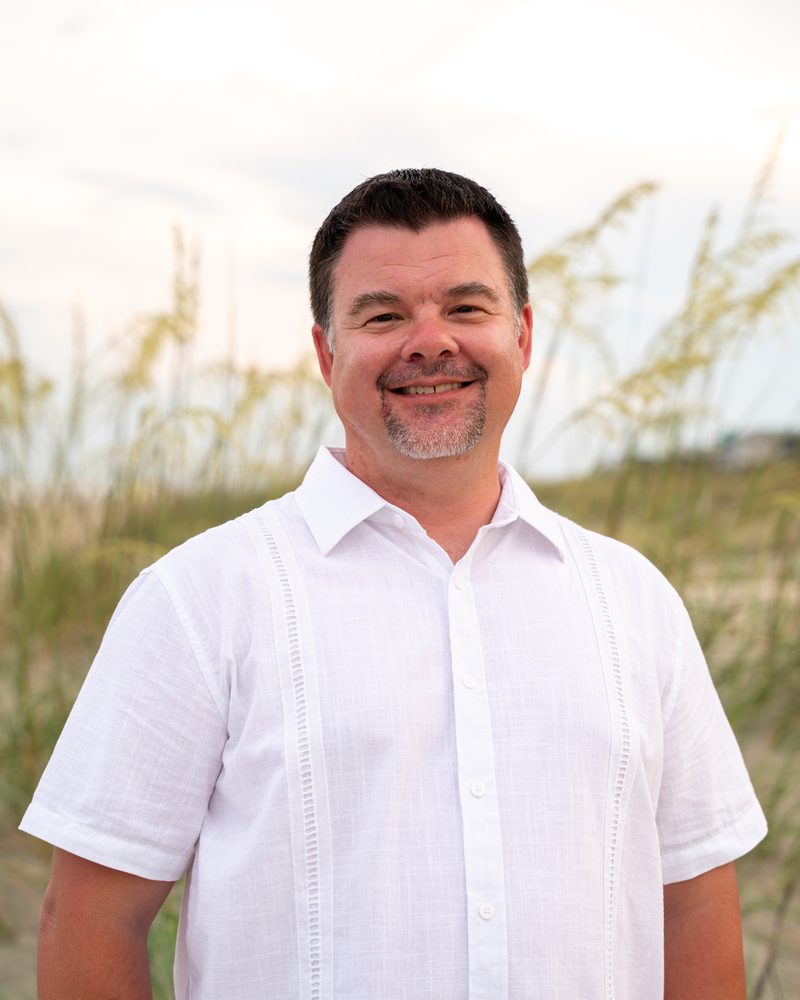
I have spent more than two decades as a special education case manager in K–12 public schools in Chicago's northwest suburbs. I have written more IEPs than I can count, trained case managers on how to run the system effectively, and spent my career working to close the gap between what schools understand and what families need to know.
I have also sat on the other side of the table.
My younger son had an outside neuropsychological evaluation before we ever asked the school to look. We used that evaluation to request a district assessment. The school found him eligible for special education under the category of emotional disability. We suspected there was more going on. We had him reevaluated, then submitted a written request asking the school to open an evaluation specifically into his writing. They did. He was eventually found eligible for a learning disability in writing.
My older son has ADHD. For years it didn't affect his academic performance enough to warrant a school evaluation, so we made the deliberate decision not to pursue one. Then he transitioned to middle school. The emails from teachers started. He couldn't focus, wasn't completing work, was losing ground. We requested an evaluation. The school found him eligible — not for an IEP, but for a 504 plan.
I know what it feels like to get those emails. I know what it feels like to sit in a meeting where your child's needs are being described in language you were never given the tools to respond to.
I also know what it looks like from the other side when a parent comes in prepared.
Beyond my own family, I have supported a cousin whose daughter was not receiving the right support — reviewing every record the district had on file, attending the meeting as her advocate, and leaving with a scheduled follow-up built into the plan. I have walked family friends through evaluations before they happened, translating jargon in real time and helping them leave with language and a plan.
Clear Educational Advocacy and Consulting is the practice I built to put that knowledge — from both sides of the table — in the hands of case managers, school districts, and families who need it.
That same both-sides perspective led to ScreenWage, a family screen-time app I built for households like mine — no accounts, no subscription.
"I have sat in those meetings knowing exactly how the school staff on the other side of the table were trained to run them. That knowledge helped. But what helped more was preparation — knowing what we were asking for, why we were asking for it, and what we would say if the answer was no."
— Paul Hartung, M.S.
Trust is built before the meeting, not during it. Whether you are a case manager or a parent, the outcome of an IEP meeting is almost always determined by what happened in the weeks before everyone sat down.
Clean, honest data — specific scores, named instruments, trend lines — is what makes hard conversations possible without becoming personal. For case managers and families alike, the number is the neutral ground.
What is best for the student is always the right answer. Especially when it means a difficult conversation with a parent, a teacher, an administrator — or a school district on the other side of the table from your own child.
Families don't need to become experts in special education law. They need to be prepared enough to participate fully, informed enough to ask the right questions, and supported enough to hold the line when it matters.